DIY vs. Professional Drain Cleaning: Which Is Best for Your Home?
When dealing with a clogged drain, homeowners often weigh the options of DIY solutions compared to professional services. DIY approaches can appear appealing because of their cost-effectiveness, however they may not always resolve deeper issues. On the other hand, professionals bring expertise and advanced tools, but at a higher cost. Understanding the implications of each choice can be essential. What factors should a homeowner consider before making this decision?
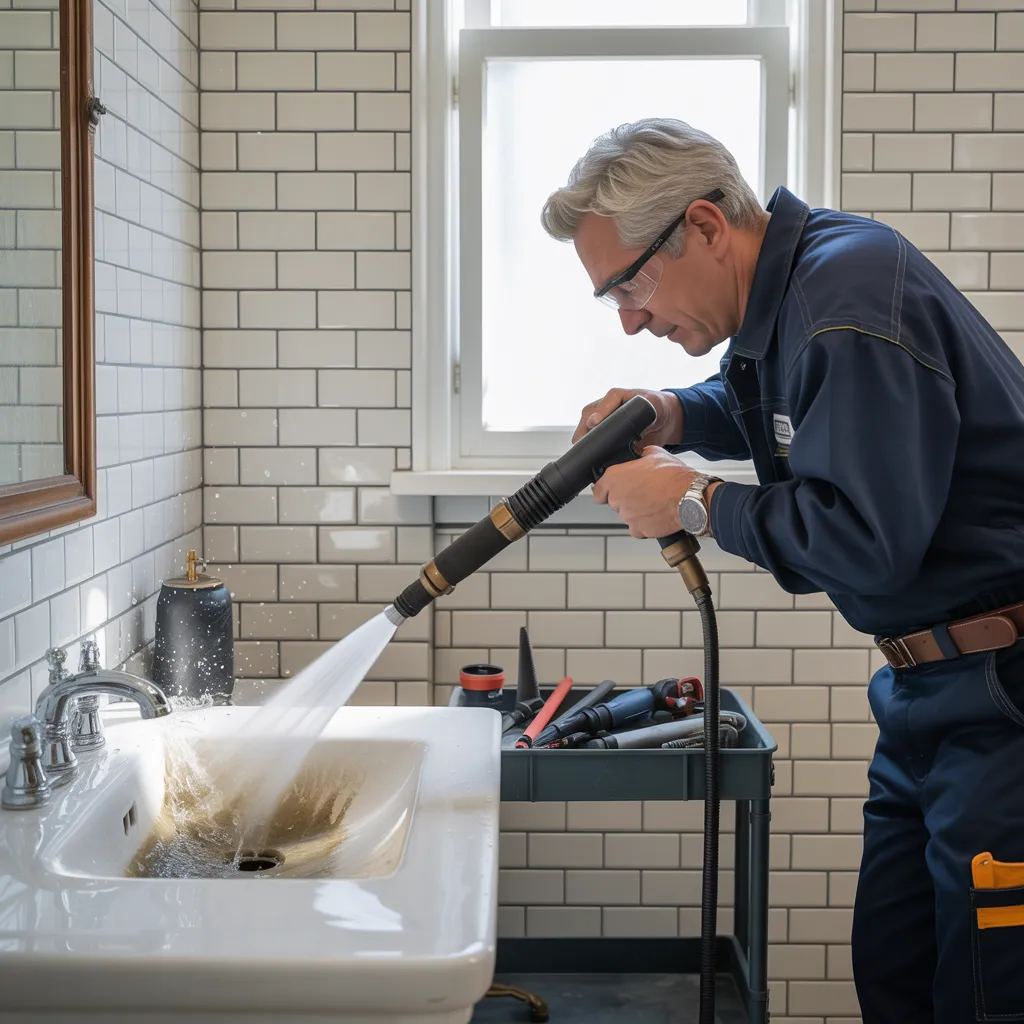
Is DIY Drain Cleaning Worth It?
Is do-it-yourself drain cleaning really a budget-friendly option? Several homeowners explore this option, assuming it can cut costs. Elementary approaches, including working with a plunger or a home-prepared vinegar-baking soda blend, are easily accessible and inexpensive. Yet, the performance of these techniques can differ significantly, contingent upon the severity of the clog. While minor blockages may succumb to DIY initiatives, stubborn or intricate blockages may not be resolved by simple techniques, causing exasperation and possible harm.
In addition, inappropriate use of tools or chemicals can worsen the problem, causing pricey repairs. Homeowners should also take into account the time and effort required for effective DIY cleaning. In some situations, the initial savings can be offset by the risk of further complications. As a result, while DIY drain cleaning can offer a temporary resolution, its lasting value remains doubtful, prompting careful consideration of the potential need for professional help.
The Benefits of Professional Drain Cleaning Services
Although DIY techniques might provide short-term relief, professional drain cleaning services offer multiple advantages that provide long-term fixes. Skilled technicians use state-of-the-art equipment, such as hydro-jetting and camera inspections, to detect and resolve the root causes of clogs. This expertise ensures that underlying issues, like tree root intrusion or pipe corrosion, are efficiently handled.
Moreover, professional services reduce the risk of damage to plumbing systems, which can happen when inexperienced homeowners attempt to handle complex problems. Furthermore, these services often provide preventive maintenance, assisting homeowners prevent future blockages and pricey repairs.
Professional drain cleaners also possess extensive knowledge of local building codes and regulations, ensuring compliance during practical guide service. Finally, employing professional drain cleaning improves overall system longevity and performance, offering peace of mind that DIY methods simply cannot match.
Successful Do-It-Yourself Drain Unclogging Methods
For residents searching for instant remedies to light drain issues, numerous practical DIY drain cleaning approaches can provide temporary relief. A common method involves blending baking soda and vinegar. Pouring a half cup of baking soda followed by a half cup of vinegar down the drain can assist in breaking down buildup. After allowing about 30 minutes, running hot water typically unclogs the pipes.
A different method involves a plunger. By making a seal around the drain and exerting forceful thrusts, a plunger can eliminate stubborn clogs. For harder blockages, a plumber's snake or auger can be employed to access deeper obstructions.
Additionally, a mix of salt and boiling water can help eliminate grease and debris. Consistent maintenance, such as pouring hot water down the drain weekly, can also avoid future clogs. These solutions give homeowners budget-friendly solutions before seeking professional assistance.
Dangers of Self-Service Drain Cleaning Worth Knowing
Engaging in DIY drain cleaning can lead to unexpected risks that homeowners should be mindful of. One important concern is the potential for chemical burns or injuries from using harsh drain cleaners. These products can be dangerous if mishandled, causing injury to both skin and eyes. Furthermore, improper use of tools, such as drain snakes, may result in damage to plumbing fixtures or pipes, leading to costly repairs.
Home residents might likewise cause clogs farther along the pipes by displacing debris rather than eliminating it. Insufficient knowledge may worsen current problems, rendering them more difficult to fix. Furthermore, certain drainage concerns could signal more serious troubles in the pipe network, which a do-it-yourself method may miss. This oversight can lead to more severe complications and increased repair costs. As a result, understanding these risks is vital before deciding to tackle drain cleaning independently.
Making a Choice Between DIY and Experts
The decision to clean drains can often leave homeowners weighing the merits of DIY methods against hiring professionals. The appeal of DIY methods lies in their affordability and the sense of accomplishment they provide. Readily obtainable tools and solutions can make homeowners feel capable of managing minor drain blockages. However, this route carries risks, including potential damage to plumbing systems and ineffective results.
Conversely, professional drain cleaning services provide expertise and specialized equipment, guaranteeing thorough and safe removal of blockages. Professional technicians can rapidly diagnose underlying issues that might go unnoticed by an untrained eye, ultimately saving homeowners from more costly repairs in the future.
Ultimately, the choice copyrights on the extent of the blockage, the homeowner's confidence with plumbing work, and budget constraints. A thorough evaluation of these elements can guide homeowners toward the most effective solution for their unique situation.
Common Questions
What Is the Recommended Frequency for Drain Cleaning?
Ideally, drains should be cleaned every 6-12 months, contingent upon usage and household factors. Regular maintenance helps prevent clogs and maintains efficient drainage, encouraging a healthier plumbing system throughout the entire home.
What Items Are Required for DIY Drain Cleaning?
For effective drain cleaning, required tools include a plunger, drain snake, baking soda, vinegar, a wet/dry vacuum, and a pair of rubber gloves. These tools help with dealing with clogs and maintaining drain hygiene.
Is Using Chemical Cleaners Safe?
Following instructions carefully allows chemical cleaners to be used safely. However, improper usage may cause damage to pipes or pose health risks. Protective equipment and proper airflow are critical during application.
How Can You Identify a Severe Drainage Issue?
Recurring clogs, sluggish drainage, foul odors, gurgling sounds, and water backups are warning signs of significant drainage problems. Overlooking these warning signs may cause more substantial plumbing problems requiring professional intervention to avert costly repairs.
How Much Will Professional Services Cost on Average?
Professional drain cleaning services usually range from $100 to $500, based on the severity of the blockage and local market rates. Extra complications may elevate costs, making it essential to examine specific needs before hiring.